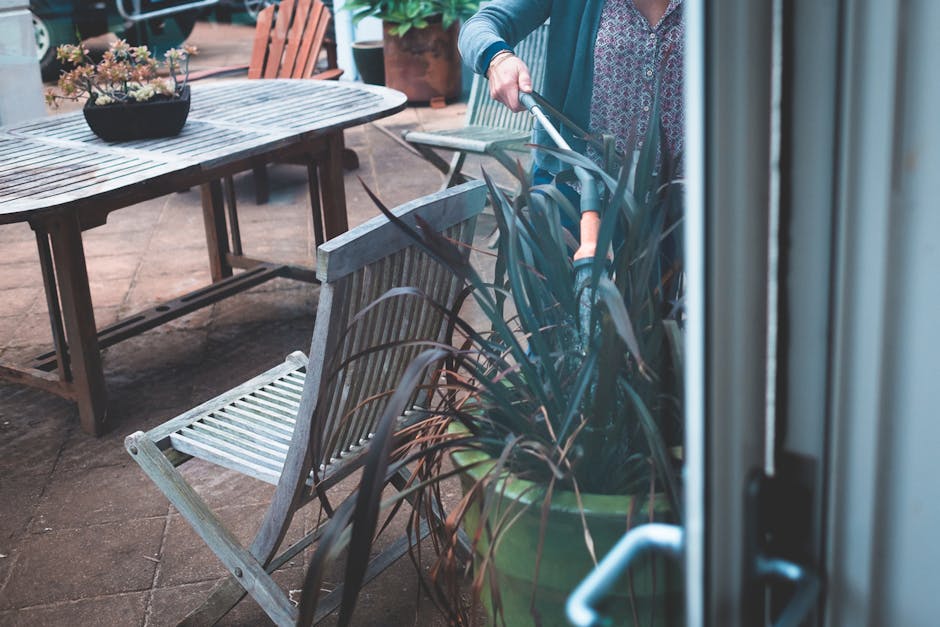
Elephant and Castle gardeners for Walworth Road terraces
If you live on Walworth Road, you already know terrace gardening can be a bit of a balancing act. Space is tight, privacy matters, and the garden often has to work hard: a place to sit, a strip of greenery, maybe a few pots, and not much else. That is exactly where Elephant and Castle gardeners for Walworth Road terraces come in. The right gardener can turn a cramped outdoor space into something tidy, resilient, and genuinely pleasant to use, even on a windy London afternoon.
In practice, terrace gardens near Elephant and Castle often need more than a once-a-year tidy-up. They need regular, thoughtful maintenance, a bit of design judgement, and an understanding of how London weather, shade, boundary walls, and shared access affect the space. This guide breaks down how it works, what to expect, what to avoid, and how to get better results without wasting time or money. Truth be told, a small garden can be the trickiest one to get right.
Table of Contents
- Why it matters on Walworth Road terraces
- How the service works in practice
- Key benefits and practical advantages
- Who needs this and when it makes sense
- Step-by-step guidance
- Expert tips for better results
- Common mistakes to avoid
- Tools, resources and recommendations
- Law, compliance, standards and best practice
- Options, methods and comparison table
- Case study or real-world example
- Practical checklist
- Conclusion
- Frequently asked questions
Why Elephant and Castle gardeners for Walworth Road terraces Matters
Walworth Road terraces are not like large suburban gardens with wide borders and room for trial and error. They tend to be narrower, more overlooked, and more exposed to daily wear. One week of skipped maintenance and the space can feel cluttered; two weeks and it starts to look neglected. That is not just about appearance either. Overgrown planters, blocked drains, mossy paving, and untidy hedging can make a terrace harder to use and, frankly, a little less safe.
Local gardeners who understand terrace conditions bring a different kind of value. They work with the realities of compact urban gardens: limited storage, awkward access, neighbouring windows, hard surfaces, patchy light, and the need for quiet, efficient work. That matters when you want your outdoor space to feel calm rather than busy. The right approach is practical first, decorative second. Or maybe both at once, if you get lucky.
There is also a local lifestyle angle. Many homes around Elephant and Castle and Walworth Road use gardens as extensions of living space. A terrace garden may need to host morning coffee, family time, container growing, or a small seating area. That means the maintenance plan should support how you actually live, not just how a garden looks in a photo.
If your outdoor space needs broader improvement rather than routine upkeep, it may help to look at landscape gardening support or the wider services overview to understand the full range of options available.
How Elephant and Castle gardeners for Walworth Road terraces Works
In simple terms, the process starts with assessing the space, then matching the work to the condition of the garden and the client's priorities. For terrace gardens, that usually means separating the job into manageable parts rather than trying to do everything at once.
A typical visit may include lawn care if there is any turf to maintain, pruning or trimming, weeding, leaf clearance, pressure-free tidy work around paving, and container refreshes. Some terraces need seasonal cutting back, while others need regular maintenance to stop soft landscaping from getting out of hand. A gardener with experience in garden maintenance will usually focus on keeping growth healthy and controlled rather than overworking the plants.
There is a useful distinction here. Maintenance is about keeping a garden in good shape. Clearance is about reclaiming a space that has become tangled, congested, or difficult to use. If a terrace has reached the point where you can barely open the gate without brushing past dead stems and old pots, garden clearance may be the more sensible first step.
Where trees or mature shrubs are involved, even in a compact setting, the work becomes more technical. Cutting too much can damage shape and health. Cutting too little can leave the garden feeling heavy and dark. In those cases, professional judgement matters. The same is true for boundary hedges, which often need a careful hand and a tidy finish. For that, hedge trimming is often one of the most valuable services on a terrace property.
Good gardeners also think about materials and waste. In a London terrace, waste removal, recycling, and minimising disruption are part of the job, not an afterthought. A neat result should feel neat all the way through, not just at the end of the afternoon.
Key Benefits and Practical Advantages
People often think garden care is mostly about looks. It is not. On Walworth Road terraces, the benefits are more practical than that, and they tend to show up quickly.
- Better use of a small space. A compact garden works harder when pathways, pots, and planted areas are organised properly.
- Less everyday stress. A tidy terrace feels easier to step into, even if you only have ten minutes outside.
- Healthier planting. Regular pruning, feeding, and soil attention help plants cope with shallow beds and containers.
- Safer surfaces. Clearing moss, loose debris, and awkward overgrowth helps reduce slips and trip hazards.
- Improved privacy. Smart trimming and planting can soften overlooking and make the space feel more personal.
- Less disruption later. Small, regular jobs are usually easier than dramatic rescue work once a year.
There is also a subtle benefit people underestimate: confidence. When a terrace is well kept, you are more likely to sit outside, water the plants properly, and notice small issues before they become expensive. That sounds minor. It isn't.
For clients who want a more substantial transformation, services like landscaping can help reshape the space, while decking services may create a cleaner, more usable seating area. That is especially useful where traditional lawn space is limited or difficult to maintain.
Who This Is For and When It Makes Sense
This kind of gardening support suits a wide range of people, but it is especially useful if you recognise any of these situations:
- You have a terrace garden that is too small or awkward to manage well on your own.
- You want your outdoor space to look cared for without spending every weekend on it.
- You have been meaning to deal with overgrown beds, weeds, or untidy edges for ages.
- You need a one-off reset before a gathering, sale, or tenancy change.
- You manage a rental property and want the outside space to stay presentable.
- You are happy to garden a little, but not to sort out the heavier or more technical jobs.
It also makes sense for anyone whose garden has become a storage zone. Let's face it, terraces can become the place where broken pots, unused planters, and old furniture quietly gather. That happens fast. One month the garden is "a bit cluttered"; three months later it is somehow hosting half the contents of the shed.
In those cases, a mix of regular upkeep and occasional clearance work can get the space back on track without needing a full redesign.
Step-by-Step Guidance
If you are approaching terrace gardening for the first time, or simply want a better system, this is the simplest way to think about it.
- Assess the current condition. Look at growth, weeds, paving, containers, drainage, and any hidden corners. Be honest about the state of the space. No judgement, just facts.
- Define the outcome. Do you want a low-maintenance space, a more social seating area, better planting, or a full refresh?
- Separate maintenance from redesign. A lot of people try to solve design and upkeep at the same time. Sometimes that works. Often it doesn't.
- Prioritise the highest-impact tasks first. For most terraces, that means tidying borders, cutting back overgrowth, clearing surfaces, and checking plant health.
- Choose the right service mix. Lawn mowing, hedge trimming, clearance, or broader landscaping may each be relevant depending on the garden's condition.
- Set a realistic maintenance rhythm. Small gardens still need routine care. In fact, they often need it more often because there is less room for mess to hide.
- Review after the first visit. The best results usually come from small adjustments. You see what works, then fine-tune it.
One small but useful habit: take a photo of the terrace before work starts. It helps you judge what has changed and what still needs attention. Simple, but effective.
A realistic terrace workflow
Here is how a well-run visit often feels on the ground: first the waste and debris come out, then the edges are cut back, then the beds are cleaned up, then the finish is sharpened. By the end, the garden should look lighter, not just "less bad". There is a difference.
Expert Tips for Better Results
The best terrace gardens are usually not the most expensive. They are the ones with smart decisions made early and maintained steadily. A few practical tips go a long way.
- Use containers with intent. A few well-sized pots often look better than lots of tiny ones scattered everywhere.
- Choose plants that forgive London conditions. Wind, shade, heat reflected from brickwork, and dry soil can all be an issue.
- Keep access points clear. If the bin store, side path, or back step is awkward, make it simpler rather than prettier.
- Mix structure with softness. Evergreen shape plus seasonal colour usually works better than a purely decorative approach.
- Trim before the space feels crowded. Waiting until the garden looks wild is a common trap.
- Think in layers. Ground level, eye level, and overhead all matter on a terrace. That is often where a good gardener's eye shows.
One more thing: if you want a space that feels relaxing, do not overfill it. Bare soil, dark corners, and a little visual breathing room can be just as valuable as more plants. Sometimes the best garden decision is restraint. A rare skill, honestly.
For ongoing upkeep, the combination of lawn mowing where turf exists, plus regular pruning and cleaning, usually delivers the best day-to-day result.
Common Mistakes to Avoid
Terrace gardens fail for predictable reasons. The good news? Most are easy to avoid once you know what to watch for.
- Overplanting. Too many plants in a small space makes maintenance harder and the layout feel cramped.
- Ignoring drainage. Water pooling on paving or in containers can cause damage and frustration.
- Using the wrong tools. Heavy equipment in a tight space can do more harm than good.
- Cutting back too aggressively. Hard pruning at the wrong time can leave plants stressed or bare.
- Leaving waste behind. A terrace should feel finished, not half-done with bags waiting around the corner.
- Only thinking about summer. Good terrace gardens need to look acceptable in January too, not just in June.
Another common issue is treating the garden as a one-off project. In reality, small spaces usually work best with light but regular attention. You do not need a huge amount of work, but you do need rhythm. That is the trick.
Tools, Resources and Recommendations
For homeowners who like to stay hands-on, a few basic tools make terrace care much easier. You do not need a shed full of gear. In fact, too much kit can become part of the problem.
- Bypass secateurs for clean cuts on smaller stems and soft growth.
- Hand weeder for narrow beds and paving joints.
- Lightweight pruning saw for occasional thicker stems.
- Watering can or hose attachment suited to compact outdoor spaces.
- Stiff broom for sweeping dust, leaves, and light debris from terrace surfaces.
- Quality compost and mulch to support planting in containers and shallow borders.
If you are hiring help, choose gardeners who are clear about what is included, how waste is handled, and whether the work is regular maintenance or a one-off clearance. A useful place to start is the company's pricing and quotes page, which should give you a better idea of how enquiries are handled and what to ask before booking.
For bigger jobs, check whether the team can cover planting, structure, and hard surfaces together. You may not need every service, but it helps to know the options. The services overview is a sensible reference point if your terrace needs more than a quick tidy.
Law, Compliance, Standards and Best Practice
With garden work in London, the main thing is not to overcomplicate the legal side, but not to ignore it either. Good gardeners should work safely, handle waste responsibly, and respect property boundaries and neighbouring homes. On terraces, that matters because the job often takes place close to walls, shared access routes, windows, and outdoor living spaces.
For homeowners, the practical best practices are straightforward:
- Make sure work begins with clear access and clear instructions.
- Confirm how waste and green material will be removed or recycled.
- Avoid unsafe ladder use or poorly controlled cutting near fences, glass, or neighbouring property.
- Check that any heavier work, such as tree or large shrub removal, is handled carefully and appropriately.
Where more technical work is required, it is reasonable to ask about insurance and safety arrangements. A trustworthy provider should be able to explain how they approach risk and what procedures they follow. If you want reassurance on that front, the site's insurance and safety information and health and safety policy are useful places to review.
There is also a sustainability angle. Small urban gardens generate surprising amounts of cuttings, soil, and packaging over time. Responsible disposal and recycling are part of modern best practice, not a bonus. For many clients, that is reassuring in itself. If that matters to you, take a look at the company's recycling and sustainability information.
Options, Methods and Comparison Table
Not every Walworth Road terrace needs the same solution. Some need light upkeep. Others need a reset. A few need structural changes so they can function properly. Here is a simple comparison to help you think it through.
| Approach | Best for | Strengths | Watch-outs |
|---|---|---|---|
| Routine maintenance | Gardens already in decent shape | Keeps the space tidy, healthy, and manageable | Does not solve deeper layout or access issues |
| One-off clearance | Overgrown or cluttered terraces | Fast way to regain control and create a clean starting point | May need follow-up visits to keep it that way |
| Light landscaping | Spaces that need better structure | Improves usability, flow, and visual balance | Needs a clearer brief and often a bigger budget |
| Decking or hardscape updates | Areas where seating or access matters most | Can make the garden feel more usable and low-maintenance | Requires design care so it does not dominate a small space |
In many real terrace gardens, the answer is a mix. For example, a client may start with clearance, move into routine care, and later add a small decked area or new planting scheme. That step-by-step path is often more sensible than trying to renovate everything in one go.
Case Study or Real-World Example
Imagine a Walworth Road terrace that has been left alone through a wet winter and then a busy spring. The paving has a film of moss, a climber has slipped beyond its support, two large pots are full of tired soil, and the border has gone slightly feral. Not disastrous. Just enough to make the space feel avoided.
The first job is not fancy. It is practical. Clear the loose debris, cut back the soft growth, remove dead stems, weed the edges, and wash the usable surfaces clean. Then reassess. Suddenly the terrace feels bigger. You can see the shape again. The seating area is visible. The light reaches farther. It is almost surprising how much difference that first tidy makes.
After that, a lighter maintenance plan works better than a dramatic redesign. Add a couple of stronger containers, replace failing compost, keep climbing growth in check, and set a seasonal trimming schedule. If the space still feels too busy, then a more structural improvement can be considered. That might mean landscaping for better layout, or a simple decking solution to create a drier, cleaner seating zone. Not a palace garden. Just a space that works. Which is usually what people want, to be fair.
Practical Checklist
Use this checklist before booking work or starting a terrace refresh:
- Identify whether the garden needs maintenance, clearance, or a more involved redesign.
- Check access points, gates, and where waste will be taken out.
- List any problem areas: shade, moss, drainage, broken pots, overgrown hedges, tired borders.
- Decide what matters most: privacy, tidiness, seating, planting, or easy upkeep.
- Ask whether the work includes trimming, sweeping, clearance, or green waste removal.
- Review whether there are safety concerns around heights, slippery surfaces, or awkward structures.
- Think about long-term upkeep after the first visit.
- Confirm how you want the terrace to feel: calm, colourful, simple, or more social.
Expert summary: terrace gardens respond best to clear priorities, light regular maintenance, and practical design choices. If you treat the space like a tiny outdoor room rather than a leftover patch, the results usually improve fast.
Conclusion
Elephant and Castle gardeners for Walworth Road terraces are most valuable when they combine skill with restraint. Small gardens do not need to be overworked; they need to be understood. The right approach can make a terrace feel lighter, tidier, safer, and more inviting without turning it into a project that takes over your life.
Whether you need routine upkeep, hedge trimming, a full clearance, or a more considered landscaping plan, the key is matching the service to the space rather than forcing the space to fit the service. That is how compact London gardens stay useful over time. And when they work, they really work.
If you are ready to take the next step, explore the service information, review the company background, and compare your options with a clear head. The right help should make life simpler, not busier. That is the whole point, really.
Get a free quote today and see how much you can save.
Sometimes the smallest garden, when cared for properly, ends up feeling like the most valuable room in the house.
Frequently Asked Questions
What do Elephant and Castle gardeners for Walworth Road terraces usually do?
They typically handle regular maintenance, trimming, weeding, clearance, planting support, and small-scale improvements tailored to compact terrace spaces. The exact job depends on how the garden is used and what condition it is in.
How often should a terrace garden be maintained?
That depends on the planting and season, but most terrace gardens benefit from regular attention rather than long gaps between visits. Small spaces can look untidy quickly, especially during fast-growing months.
Is garden clearance the same as garden maintenance?
No. Clearance is usually a more intensive reset for overgrown or cluttered gardens. Maintenance is the ongoing work that keeps a garden in good condition after it has been sorted out.
Can a small Walworth Road terrace still be landscaped properly?
Yes, absolutely. Small gardens often benefit from careful layout, good container choices, and simple hardscape improvements. A compact terrace can be very effective when the design is focused.
What if my terrace has very little sunlight?
That is common in London terraces. A good gardener can suggest shade-tolerant planting and adjust the layout so the space still feels alive without relying on sun-loving plants that struggle.
Do I need decking in a small terrace garden?
Not always. Decking can work well where you want a cleaner seating area or a more usable surface, but it should suit the proportions of the garden. In a very small space, less can be more.
How do I know whether I need hedge trimming or larger pruning work?
If the issue is a boundary hedge or compact screening plant, hedge trimming may be enough. If there are larger shrubs or trees involved, a more careful assessment is usually needed before anything is cut back.
What should I ask before booking a gardener?
Ask what is included, how waste is handled, whether the work is one-off or ongoing, and whether the garden needs clearance first. It also helps to ask how they approach safety and access on terrace properties.
Will regular maintenance be cheaper than letting the garden get out of hand?
Usually, yes. Small, regular jobs are often easier and less disruptive than waiting until the garden needs major clearance. That said, every garden is different, so it is best to get a proper quote.
Are these services suitable for rented properties on Walworth Road?
Yes. Terrace garden maintenance is often useful for rental homes because it helps keep the outside space presentable and manageable between tenancies or during long lets.
How do I keep a terrace garden low-maintenance?
Use fewer but better-chosen plants, keep pathways clear, avoid overcrowding, and build a simple routine for weeding and pruning. A tidy structure makes a big difference.
Where can I find more about the company and its policies?
You can review the company's about us page, along with details on payment and security, if you want a clearer picture before making a decision.