Garden Maintenance in Elephant and Castle

Our garden maintenance in Elephant and Castle is arranged around tidy, workable outdoor spaces that stay presentable through the seasons. We look after routine tasks such as mowing, edging, pruning, border care and general clearance, with an approach shaped by the condition of the garden rather than a one-size-fits-all checklist. That makes it easier to keep small courtyards, shared communal plots and larger private gardens in steady order without unnecessary disruption.
Good maintenance is more than a quick tidy. It means noticing what needs attention now, what can wait, and what should be cut back carefully rather than heavily. We work with the existing layout, planting and access points to keep things practical. If you are comparing services, our services overview gives a straightforward starting point for the main work types and how they fit together.
For a clearer idea of what is involved on your own site, take a few minutes to request a quotation and outline the current condition of the space. If you are ready to speak about the work, the contact us page is the simplest next step.
Routine care for lawns, borders and planting
Regular upkeep is often the difference between a garden that feels manageable and one that quickly becomes overgrown. Our lawn care can include mowing, trimming edges and removing the clippings when appropriate, while planting areas are treated with closer attention to the condition of the soil, the spread of weeds and the shape of the growth. The aim is to keep the garden neat without stripping away the character of the planting or leaving bare, stressed patches behind.
Where the garden has mixed features, we can balance practical tasks across the space in a sensible order. Paths, edges, pots, raised beds and boundary planting often need different treatment, so we avoid forcing every job into the same routine. If you need a broader view of combined outdoor work, landscaping covers the kind of improvements that sit alongside ongoing maintenance rather than replacing it.
When you contact us, it helps to describe the main areas that need attention and whether the space is used daily, occasionally or only seasonally. A short list of priorities is usually enough to start planning the visit, and it keeps the quotation focused on the work that matters most to you.
Hedge trimming and controlled pruning
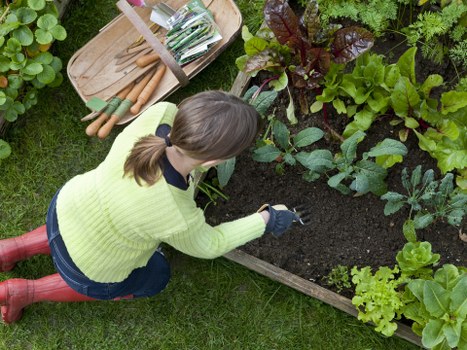
Hedges and shrubs shape the whole look of a garden, so trimming them neatly can make the space feel larger, brighter and easier to use. We handle routine hedge cutting, shaping and selective pruning with care for growth habit, timing and the final outline. Where plants have become uneven or too dense, the work is approached gradually so the result looks purposeful rather than harsh or over-cut.
Not every shrub should be reduced in the same way, and not every hedge needs a severe cut to return it to order. Our approach takes into account the species, the level of overgrowth and the finish you want to keep over time. For customers who need more specific hedge work, hedge trimming explains a dedicated service focused on clean lines, controlled reduction and regular shaping.
If branches are becoming awkward near fences, gates or paths, it is sensible to mention that before the work is booked. That lets the quotation reflect the access needed, the finish expected and any extra time required to work neatly around obstacles. Clear instructions at the start usually make for a smoother job.
Seasonal tidying and green waste removal
Seasonal maintenance often brings together several smaller tasks that are easier to manage as one visit. Leaf collection, deadheading, light weeding and removal of cuttings can all help the garden feel orderly without changing its structure. This kind of work is especially useful after a period of rapid growth, windy weather or a spell when the garden has simply not had time for regular attention.
Where there is a build-up of light garden waste, the objective is to remove it efficiently and leave the useful parts of the space intact. That may mean separating compostable material, stacking reusable items carefully and clearing loose debris from hard surfaces. If you need a more substantial tidy-up before routine maintenance begins, garden clearance is the relevant page to review.
For a practical quotation, it helps to mention whether the waste is scattered across borders, contained in bags or gathered after recent cutting. A little detail about access, gates and storage space is useful too, because it helps us judge how the work will be carried out and what level of labour is involved.
Lawn mowing and edge definition
Lawns need regular care if they are to look even, healthy and ready to use. Mowing is only part of that process; edges, corners, awkward turns and the transition between turf and paving often make a bigger visual difference than the cut height alone. We pay attention to those details so the finished lawn looks deliberate rather than rushed.
Different lawns call for different handling. Some are simple open areas that benefit from a steady routine, while others include narrow runs, shaded patches or uneven ground that need a more measured approach. When a garden is mainly lawn, lawn mowing offers a focused service description for that specific type of maintenance and the practical choices that go with it.
A straightforward quotation request usually works best when it includes the size of the lawn, whether the grass is currently high and whether access is clear. That gives a more accurate picture of the work without making the process complicated. If the grass has been left for a while, mention that plainly so the visit can be planned around the real condition of the turf.
Keeping planting areas, paths and boundaries in order

Beyond the obvious mowing and trimming tasks, garden maintenance also includes the smaller jobs that keep everything looking finished. These may involve lifting fallen debris from paths, keeping border edges crisp, checking overgrown growth near boundaries and making sure the garden still feels connected from one area to the next. When these details are handled consistently, the whole space becomes easier to enjoy and easier to maintain later.
Sometimes the work is not just about cutting or clearing but about restoring structure. Borders may need a little reshaping, climbers may need directing, and narrow strips beside fences can require careful hand work rather than powered equipment. Where the garden needs a broader design-led reset, landscape gardening is a useful page for understanding the more creative side of outdoor improvement.
Keep your brief simple: tell us what looks untidy, what you want to keep and what should be avoided. That saves time on the quotation and helps the work stay aligned with your expectations. Ask for a quotation once you have those points ready, especially if the garden mixes planted areas with hard surfaces.
What affects the scope of maintenance work
Garden maintenance is influenced by several practical factors, and it is better to define them clearly than to assume every site needs the same amount of attention. Access, layout, current growth, plant variety and the amount of debris all affect the time and method required. A compact space with straightforward access may be simple to service, while a more layered garden with restricted routes may need more careful planning.
In most cases, the best quotation is based on a combination of the visible condition and the exact tasks requested. If you are deciding between routine upkeep and a one-off tidy, it can help to think about what should happen after the visit: ongoing cutting, seasonal shaping or a single reset. If that distinction is unclear, the pricing and quotes page gives a sensible place to compare the kinds of factors that usually influence the final figure.
We do not need a long explanation to begin. A few notes on the size of the area, the most pressing jobs and any access limitations are enough for a useful starting point. When you are ready, send the essentials and the quotation can be shaped around the actual work rather than a guess.
About Elephant and Castle
Elephant and Castle is a central London district known for its long association with transport, rebuilding and changing urban character. The area sits within the London Borough of Southwark and has been shaped for centuries by movement through the city, from historic road routes to the later development of major junctions and railway links. Its name comes from a coaching inn that once stood nearby, and over time the district became a familiar reference point for both locals and visitors travelling through south London. The surrounding street pattern reflects a place that has been repeatedly adapted rather than frozen in one historical period, with layers of older routes, post-war planning and newer redevelopment all visible in different parts of the area.
The area includes a mix of civic, residential and commercial surroundings, with busy roads and public transport connections giving it a distinctly urban feel. It is also close to several well-known London destinations, including the South Bank and the river to the north-west, while local routes connect towards Kennington, Walworth and Borough. Architecture in and around Elephant and Castle varies widely: some stretches show modern large-scale redevelopment, while other nearby streets retain rows of Victorian and early twentieth-century buildings. The area is also associated with long-running markets, community activity and cultural change, reflecting how central London neighbourhoods evolve through successive waves of rebuilding and new uses. That blend of old and new makes the district distinctive within Southwark, not as a preserved historic quarter, but as an actively changing part of the city with strong transport identity and everyday urban life.
Tree care, heavier growth and boundary management

Some gardens need more than routine trimming because shrubs, saplings or mature branches begin to dominate the available space. In those cases, maintenance may involve selective reduction, removal of unwanted growth or careful cutting back around boundaries and access routes. The point is not simply to remove as much as possible, but to reduce obstruction while keeping the remaining planting balanced and safe to work around.
Where trees are part of the site, it is important to distinguish between light maintenance and more substantial tree work. Overhanging limbs, awkward deadwood and dense growth may call for a different level of treatment from standard garden care, and that distinction should be made clear before any quotation is prepared. If your main need is broader tree attention, tree lopping and removal covers that type of work more directly.
In gardens with fences, sheds or shared edges, boundary growth can also affect how the whole area is used. Mentioning those constraints early helps avoid misunderstandings later and keeps the maintenance plan realistic. A concise note about the condition of the taller growth is usually enough to move things forward without delay.
Practical care for decks, paved areas and mixed surfaces
Many gardens are not made up of planting alone. Decking, paving, steps and other hard surfaces often sit alongside beds, turf and hedging, which means the maintenance needs to shift between soft and hard materials. That includes removing dirt, leaves and clippings from joints, keeping edges clear and making sure the transition between surfaces still looks tidy. This is often what makes a maintained garden feel complete rather than merely cut back.
Where timber or composite features are part of the layout, the surrounding maintenance should be carried out with care so tools and debris do not damage the finish. The same applies to narrow paved runs beside borders or walls, where loose growth can quickly make the space feel neglected. If you are considering structural improvements as well as upkeep, decking services may be relevant alongside the regular maintenance work.
For a useful quotation, it is worth noting which surfaces are included and whether they need only a tidy finish or a deeper clear-up. That small distinction often changes the time involved more than customers expect. Request a quotation once you have the basic layout in mind, and keep the description focused on the areas that actually need attention.
Planning a regular maintenance visit
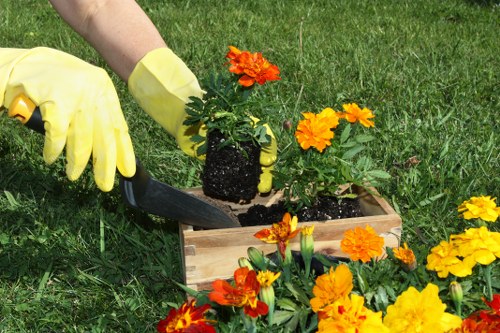
Regular maintenance works best when it follows a clear pattern. Some customers prefer a repeat visit to keep growth controlled, while others want a seasonal reset that brings the space back to order after a period of neglect. Both approaches can work well, provided the scope is defined properly and the tasks are grouped in a sensible way. What matters most is that the garden is left tidy, usable and easier to look after next time.
- Identify the areas that matter most, such as lawns, borders, hedges or access paths.
- Note any spots where growth is dense, tangled or difficult to reach.
- Tell us if the garden includes mixed surfaces, raised beds or shared boundaries.
- Mention whether you want a one-off tidy or a regular maintenance pattern.
Once those points are clear, the next step is simple. Use the contact us page to ask for a quotation and outline what you want maintained. If you would rather review the wider range first, you can also revisit the garden maintenance service page before deciding on the most suitable arrangement.