Real cost of private garden clearance in Elephant and Castle
If you are trying to work out the real cost of private garden clearance in Elephant and Castle, you are probably dealing with one of those jobs that looks simple from the outside and turns messy fast. A patch of overgrown grass, a few broken pots, a stubborn ivy wall, maybe an old shed corner hiding under brambles - and suddenly the question is not just "how much will it cost?" but "what exactly am I paying for?"
That is the right question, to be fair. Garden clearance costs in Elephant and Castle can vary more than people expect because access, waste volume, labour time, and disposal all matter. In this guide, we break down the factors that drive the price, what a decent service should include, where people often overspend, and how to judge a quote properly without second-guessing every line item.
We will also cover practical ways to save money without cutting corners, plus the compliance and safety points that tend to get overlooked until the last minute. If you want a broader view of related services, it can help to start with the services overview and the company's pricing and quotes page for context.
Table of Contents
- Why the real cost matters
- How private garden clearance works
- Key benefits and practical advantages
- Who this is for and when it makes sense
- Step-by-step guidance
- Expert tips for better results
- Common mistakes to avoid
- Tools, resources and recommendations
- Law, compliance, standards, or best practice
- Options, methods, or comparison table
- Case study or real-world example
- Practical checklist
- Conclusion
- Frequently asked questions
Why the real cost matters
The real cost of private garden clearance in Elephant and Castle is not just the number on the invoice. It is the full picture: labour, clearance time, waste handling, transport, and the level of tidying left behind when the crew walks away. If you only compare headline prices, you can end up with a quote that looks cheap but becomes expensive once extras appear. That is usually where people get frustrated.
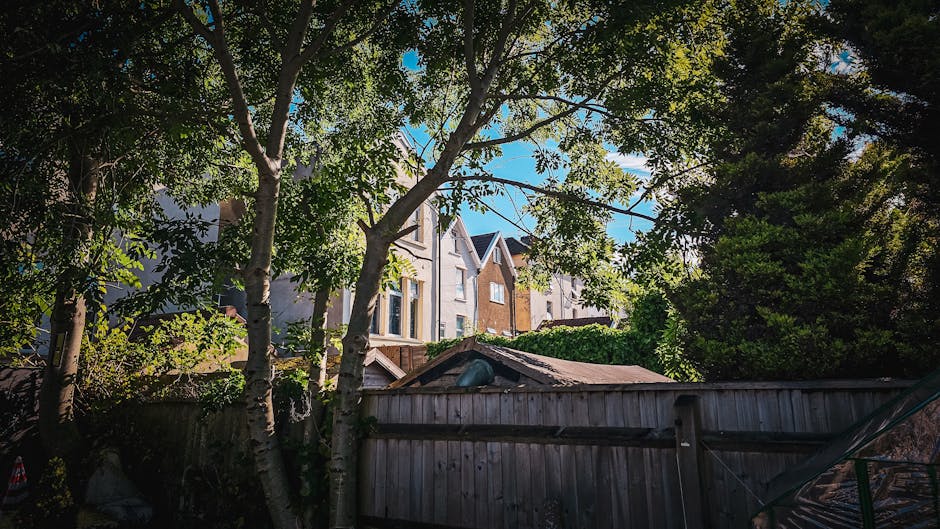
In a dense London area, even a modest garden job can become more involved than expected. Narrow access paths, basement steps, limited parking, shared entrances, and the need to protect surfaces all add time. A team might need to carry waste by hand rather than wheel it straight out. That sounds small. It is not small when you are moving heavy cuttings, soil, or old timber through a tight passage.
There is also a difference between a light seasonal tidy and a full private clearance. One might be a couple of hours with green waste only. The other could involve dense shrub removal, dismantling planters, shifting rubble, and dealing with mixed waste. Same garden, very different workload. That is why accurate pricing starts with understanding scope, not guessing from square footage alone.
And yes, location matters. Elephant and Castle sits in central London, where logistics can be trickier and time more valuable. That does not automatically mean "more expensive for no reason"; it usually means the labour and disposal reality is simply more demanding. A good quote should reflect that honestly.
How private garden clearance works
Private garden clearance usually follows a fairly straightforward process, though the details vary from job to job. Most reputable teams will ask what needs removing, how much waste there is, whether the area is accessible, and whether any items need special handling. You might send photos, a short list, or arrange a visit if the job is larger or awkward. That first stage matters a lot. It sets expectations and reduces surprises later.
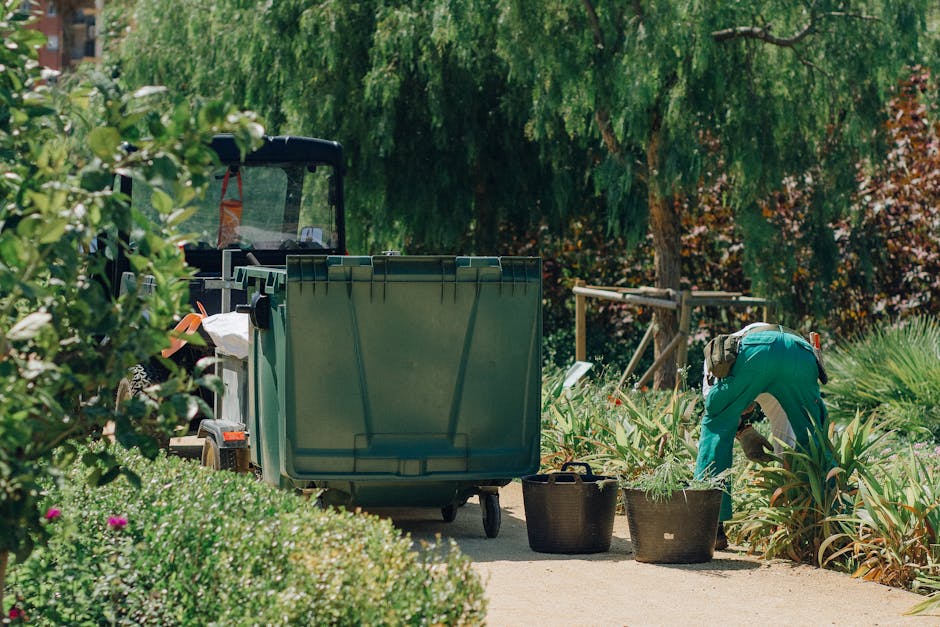
Once agreed, the team usually arrives with the right tools, containers, and transport. On site, they will separate what can be cleared quickly from anything that needs more care. For example, soft green waste is handled differently from heavy branches, fence panels, broken furniture, or soil. If tree work is involved, you may need a service like tree lopping and removal before the clearance itself, especially if unsafe limbs or root-heavy sections are part of the problem.
For routine overgrowth, trimming and clearance may be combined with maintenance. In fact, some customers decide to tackle the larger reset first and then move into regular upkeep with garden maintenance or even complementary tasks such as lawn mowing and hedge trimming. That often works out better than repeatedly letting the garden slide and paying for big rescue jobs every year. A bit obvious, perhaps, but people do forget.
The real cost also depends on what happens after collection. Waste needs to be transported, sorted, and disposed of responsibly. If the team is serious about standards, that process should be part of the service, not treated like an afterthought. You can read more about the company's approach on recycling and sustainability. It is a small link in the chain, but it tells you something about how the job is handled.
Key benefits and practical advantages
A well-managed garden clearance can do more than remove mess. It can turn a cramped, unusable outdoor space into something you can actually step into again without wading through overgrowth or old debris. That sounds dramatic, but if you have ever opened a back gate after months of neglect and been hit by the smell of damp leaves and rotting timber, you know the feeling.
- Better use of space: Clearing clutter, weeds, and dead growth makes the garden look larger and feel usable again.
- Improved safety: Removing unstable branches, slippery waste, and hidden debris reduces trip and cut risks.
- Cleaner foundations for future work: Clearance prepares the site for landscaping, planting, or repairs.
- Less stress: You avoid the physical grind, the disposal hassle, and the "where do I even start?" problem.
- More predictable upkeep: Once the garden is reset, regular care becomes easier and cheaper to maintain.
There is also a quiet financial benefit. A neglected garden often gets more expensive the longer it is left. Brambles thicken, self-seeded growth spreads, and access gets worse. In practice, a small monthly or seasonal maintenance plan can sometimes be cheaper over time than repeated clearances. Not always, but often enough that it is worth thinking about early.
For homeowners and landlords alike, a neat garden can also support property presentation. If the space is part of a rental turnover, an end-of-tenancy refresh, or a sale preparation, clearance is one of those jobs that creates an immediate visual lift. You notice it the moment you step outside. Cleaner lines. More light. Less chaos.
Who this is for and when it makes sense
Private garden clearance in Elephant and Castle makes sense for anyone who has a garden that has outgrown normal maintenance. That might be a backyard with stubborn weeds, a communal-facing private area, or a courtyard that has become a storage zone for broken pots and old outdoor items. It is also useful if you have inherited a property, returned after a long period away, or simply let the garden go during winter and now want to reclaim it.
It is especially relevant for:
- busy homeowners who do not have the time or equipment to clear heavy waste
- landlords preparing a property for new tenants
- older residents who want the space made safe and manageable again
- people planning a redesign or landscaping project
- households dealing with seasonal overgrowth after a wet spring or long absence
Sometimes the decision is not about how bad the garden looks, but how long it would take you to fix it yourself. Let's face it, one person with a green bin and a rusty shovel is not really competing with a crew that can clear, load, and dispose of waste in a single visit. If the job starts to feel physically risky or simply too time-consuming, that is usually the point where professional clearance becomes sensible.
If you are not sure whether you need a one-off clearance or a broader improvement plan, it may help to look at landscape gardening or landscaping as follow-up options. Some gardens need more than a tidy. They need a reset.
Step-by-step guidance
If you want the clearest possible price, the best approach is to break the job into parts before asking for a quote. It is a bit like packing a suitcase: if you know what is going in, you avoid surprises later. Here is a practical way to do it.
- Walk the garden and list what needs removing. Note weeds, branches, soil, old furniture, broken items, and any green waste.
- Check access. Measure gates, look for narrow side passages, and think about where waste will be carried from.
- Take photos in daylight. A few clear images from different angles often help more than a long explanation.
- Flag any heavy or awkward items. Tree trunks, large planters, wet soil, and rubble can change the time and disposal needs.
- Ask what the quote includes. Does it cover labour only, or labour plus removal and disposal? Is sweeping or final tidy-up included?
- Compare like with like. Two quotes that look similar may cover very different scopes.
- Book at a time that suits the site. A dry day and clear access can make the job smoother. Simple, but true.
A sensible provider should not mind answering detailed questions. In fact, the more clearly you define the work, the fairer the result usually is. If a quote feels vague, ask for it in writing with the scope spelled out. That small bit of diligence can save a lot of awkwardness later on.
If you want to understand how the business structures jobs and pricing, the about us page can help you judge whether the company feels like the kind of team you want in your garden. Trust matters here more than people sometimes admit.
Expert tips for better results
Over time, the cheapest clearance is usually the one that has been planned properly. That does not mean you need to overthink everything. It just means a little preparation goes a long way.
First tip: separate "clearance" from "improvement". If you ask for everything at once, the price can rise quickly. You might be paying clearance rates for tasks that belong in maintenance or landscaping. For example, hedge shaping, lawn revival, and deck cleaning can sit outside a basic clearance scope. It is often smarter to group tasks only where they genuinely overlap.
Second tip: ask about waste type. Green waste, timber, mixed waste, and soil are not all treated the same. Heavy waste usually raises the real cost more than people expect. A pile of soil bags can be far more awkward than a taller-looking pile of branches. Funny how that works.
Third tip: be honest about the mess. People sometimes downplay the job to keep the quote low, then feel disappointed when the crew arrives and says more time is needed. That is nobody's favourite moment. Clear honesty gets better results.
Fourth tip: think beyond the first visit. If the garden is likely to regress quickly, ask what a light recurring service might look like afterward. A combination of clearance and maintenance is often more cost-effective than repeating full clear-outs.
Fifth tip: check what tidy-up actually means. Some teams clear waste but leave dust, leaf fragments, or small debris behind. Others sweep and leave the area ready for use. Neither is automatically wrong; you just want to know in advance.
If a quote also mentions surface protection, insured work, or health and safety measures, that is usually a good sign. You can review related operational standards through insurance and safety and the company's health and safety policy. Those pages may sound dry, but they tell you how seriously the work is handled.
Common mistakes to avoid
Most unhappy garden-clearance experiences come from the same few mistakes. The good news is they are easy enough to avoid once you know what to look for.
- Getting a quote without photos: A phone estimate without visuals can be too rough to rely on.
- Assuming waste removal is included: Always check whether disposal is part of the price.
- Not mentioning access issues: Stairs, shared hallways, parking limits, and awkward corners all matter.
- Mixing too many unrelated jobs into one request: This can blur the scope and inflate the quote.
- Choosing the lowest price automatically: Cheap is only cheap if the job is actually finished properly.
- Leaving overgrown borders and climbing plants out of the brief: These often take more time than people assume.
One common mistake deserves special mention: underestimating the sheer weight of green waste when it is damp. A garden can look "not too bad" and still take much longer to clear once bags, compost, and sodden cuttings are added up. One wet morning and the whole job changes. Quite a lot, actually.
Another is forgetting follow-up care. If you clear a garden aggressively and then do nothing else, it can bounce back into chaos faster than expected. A simple aftercare plan is often the difference between a one-off reset and an expensive repeat project.
Tools, resources and recommendations
You do not need specialist knowledge to make a good decision, but a few practical tools help. A phone camera, a tape measure, and a simple written list are often enough to prepare an accurate brief. If you are the type of person who likes to keep things tidy, create three categories: green waste, hard waste, and items to keep. That alone can make the quote process much smoother.
For homeowners who want to stay ahead of future costs, the best "resource" is regular maintenance. It sounds dull because it is dull. But dull is economical. A light seasonal visit can stop the kind of build-up that turns into an expensive rescue job later. If you are comparing ongoing options, garden maintenance is the natural next step after a one-off clearance.
If your garden has a lawn that has gone patchy or uneven, a clearance visit often pairs well with lawn mowing and a broader tidy of borders and edges. If hedges have become part of the problem, folding in hedge trimming can help prevent the same mess returning immediately.
For bigger outdoor transformations, the work may expand into structural or design changes. At that point, it is worth comparing clearance-only work with full redesign support through landscape gardening or a more complete landscaping approach. Sometimes the garden is not broken; it is just badly organised. That is a different problem.
Law, compliance, standards, or best practice
Garden clearance touches on waste handling, safety, and sometimes arboricultural work, so it is worth being careful. You do not need to become a legal expert, but you should expect a professional service to work in a way that is responsible and compliant with normal UK expectations.
Best practice usually includes:
- clear agreement on what is being removed
- safe manual handling and sensible site protection
- appropriate treatment of waste and recycling where practical
- use of insured methods and trained staff
- reasonable care for neighbouring property, paths, and shared access areas
If tree work is involved, especially larger pruning or removal, that should be treated separately from simple garden tidying. The more complex the work, the more important it is to confirm competency and safety controls. A homeowner should never be left guessing whether the job is being done with proper care.
There may also be site-specific considerations in central London, especially where access is shared or the work might affect neighbours. If any part of the job feels unclear, ask the provider to explain how they handle safety, waste, and insurance. That is not being difficult. That is sensible.
For reassurance around supplier standards, you can review a company's terms and conditions and operational policies such as payment and security. Those pages will not make your garden prettier, obviously, but they do help show how the business works.
Options, methods, or comparison table
There are usually three ways to approach a private garden clearance: do it yourself, book a one-off professional clearance, or combine clearance with ongoing maintenance. Each has a place. The right choice depends on time, access, waste volume, and how quickly you want the space back.
| Option | Best for | Typical pros | Typical drawbacks |
|---|---|---|---|
| DIY clearance | Very small jobs with light waste | Lowest cash outlay, full control | Time-consuming, hard physical work, disposal hassle |
| One-off professional clearance | Overgrown, cluttered, or awkward gardens | Fast, efficient, less stress, disposal handled | Higher upfront cost than DIY |
| Clearance plus maintenance | Gardens that need a reset and then upkeep | Better long-term value, steadier results | Requires an ongoing plan and commitment |
In practice, a one-off professional clearance is often the most cost-effective option for medium to heavy jobs in Elephant and Castle. DIY can look cheaper on paper, but once you factor in bag costs, transport, disposal time, tool rental, and your own Saturday disappearing into a hedge, the saving is not always as large as it first seems.
If you already know the garden needs both clearing and future upkeep, it is worth discussing a broader service mix. That can include overall service planning rather than trying to solve each problem separately and paying for repeated callouts.
Case study or real-world example
Here is a realistic scenario. A private garden near Elephant and Castle has not been touched properly for months. The rear section has waist-high weeds, a small pile of broken pots, fallen branches after windy weather, and a hedge that has grown out into the path. The owner thinks it will be a quick half-day tidy. In reality, the access is narrow, the waste is mixed, and the hedge alone takes longer than expected because it has to be cut back carefully without damaging a neighbouring fence.
What happens next? The quote changes once the real scope becomes clear. Not because anyone is trying to be clever, but because the job has more moving parts than first appeared. The clearance team removes the debris, cuts back the overgrowth, bags the waste separately, and leaves the space usable again. The owner then chooses a follow-up maintenance plan so the same build-up does not return in six weeks. Sensible, really.
The important lesson is simple: the real cost is usually tied to the true condition of the garden, not the hopeful version in your head. Most people do that mental arithmetic at least once. You look at the space, squint a bit, and think, "That doesn't seem too bad." Then someone who clears gardens for a living looks at the same space and sees three hours of hidden labour. Human nature, eh.
Practical checklist
Use this quick checklist before you request a quote or book the work.
- Take clear photos from multiple angles
- Note any steep steps, narrow gates, or limited parking
- List everything that needs removing
- Separate green waste from heavy or mixed waste where possible
- Ask whether disposal and sweeping are included
- Check if tree work or hedge work is part of the job
- Confirm whether the quote is fixed or estimate-based
- Ask about insurance and safety procedures
- Think about aftercare or ongoing maintenance
- Review terms, payment, and what happens if the scope changes
If you want a company profile before you proceed, the about us page is a useful place to gauge approach and professionalism, and you can always go straight to the contact us page if you are ready to ask for a tailored quote.
Conclusion
The real cost of private garden clearance in Elephant and Castle depends on more than garden size. Access, waste type, labour time, disposal, and the level of final tidy-up all shape the price. Once you understand those moving parts, quotes make much more sense and the decision becomes easier.
For many homeowners, the best value comes from a clear, honest scope and a provider who handles the job properly the first time. That usually means less stress, fewer surprises, and a garden that feels like part of the home again rather than a project hanging over you.
If you are weighing up whether to clear, maintain, or fully redesign the space, start with the job in front of you. Then build from there. Small steps, sensible choices. That is often how the best gardens begin.
Get a free quote today and see how much you can save.
Frequently Asked Questions
What affects the real cost of private garden clearance in Elephant and Castle?
The biggest factors are garden size, access, waste volume, waste type, and how much labour is needed. Narrow entrances, heavy material, and overgrown vegetation can all increase the time and cost.
Is it cheaper to clear a garden myself?
Sometimes, yes, for very small and light jobs. But once you factor in waste bags, tool hire, disposal, transport, and the time involved, DIY is not always the cheaper route for larger clearances.
Do I need a quote before booking?
Yes, ideally. A proper quote helps you compare like with like and reduces the chance of surprise charges. Photos and a clear description of the job usually improve accuracy a lot.
What should a garden clearance quote include?
It should clearly state what is being removed, whether labour and disposal are included, any assumptions about access, and whether tidy-up is part of the service. If anything is unclear, ask before booking.
Can garden clearance include hedge or tree work?
It can, but those tasks may need to be priced separately depending on the size and complexity of the work. Hedges and trees can add time, risk, and waste volume, so they should be discussed upfront.
How long does private garden clearance usually take?
That depends on the condition of the garden. A light tidy can be relatively quick, while an overgrown, cluttered space with poor access can take much longer. It is better to think in terms of scope than assume a fixed duration.
What if my garden is very overgrown?
Very overgrown gardens are common, and they can still be cleared safely. The key is to be honest about the condition so the team can bring the right tools and allow enough time.
Does waste removal matter in the price?
Absolutely. Waste removal and disposal are a major part of the real cost. Green waste, soil, timber, and mixed rubbish are often handled differently, and that affects the final figure.
How do I avoid paying too much?
Give accurate information, share photos, clarify access issues, and ask exactly what is included. Comparing like-for-like quotes is the best way to avoid overpaying for a vague or incomplete service.
Is garden clearance covered by regular maintenance?
Not usually in full. Maintenance is typically lighter and more frequent, while clearance is the heavier reset work. That said, the two services often work well together, especially after a garden has been neglected.
Do I need to think about insurance or safety?
Yes, especially for heavier work or jobs involving tools, height, or difficult access. A professional provider should be able to explain how safety and insurance are handled. That is basic reassurance, not overkill.
What is the best next step if I am unsure?
Take a few photos, make a short list of the tasks, and request a tailored quote. If the garden may need more than a one-off clearance, ask about follow-up maintenance so you can judge the long-term value properly.